Joan Aiken
Call me a creature of habit, but every year I go to the beautiful and historic town of Rye in East Sussex for a few days break. During my visits I have discovered that a few renowned authors were either born or lived in Rye, so I thought I would concentrate on Monica Edwards, until I discovered that we had already written a review on her a few months previously (here is the link if you want to read it https://www.stellabooks.com/article/monica-edwards), so therefore I decided to find out more about another author, Joan Aiken instead.


Joan Aiken was born in Mermaid Street, Rye on 4th September 1924 to parents Jessie MacDonald and Conrad Aiken who was an American Pulitzer Prize winning poet. She had an older brother John who was a research chemist, and an older sister Jane who was also a writer, so she came from a strong line of academics.
She began writing on her fifth birthday, when she bought a writing pad with birthday money and began filling it with poems and stories. Initially her mother taught her at home in subjects that her mother loved, which included literature, folk songs, history, cooking and geography. When she went to school at the age of twelve, two books in the school library, John Masefield's The Midnight Folk and The Box of Delights, influenced her incredibly, so much so that she wrote her first full-length novel at age 16. She read a lot as a child and other big influences on her were E. Nesbit, Francis Hodgson Burnett, Charles Dickens, James Thurber, and Edgar Allan Poe.
Joan had been a top student at school but failed to get into Oxford university because of illness and the war. Instead, she got a job as a typist at the BBC, and then at the United Nations Information Centre from 1943-1949, where she fell in love with and married its press officer, Ron Brown. When her husband turned out to have tuberculosis, he was fired from his job so the pair moved to Lewes in East Sussex, a town where they brought up their two children and that became the setting for many of Joan’s short stories.
After her husband’s death in 1955 she joined the magazine Argosy where she worked in various editorial capacities and, she later said, learned her trade as a writer. The magazine was one of many in which she published short stories between 1955 and 1960. After four years on the magazine and only seeing her children at weekends, she found a semi-derelict Tudor property in Petworth to live in and started work in earnest on a children’s novel, initially called Bonnie Green. This was later published in 1962 as The Wolves of Willoughby Chase (or Wolves Chronicles) and it was her first novel to combine elements of history, horror and adventure. Set in Victorian England, the children’s book was the first in a series of twelve books that included the following:
- Wolves of Willoughby Chase 1962
- Black Hearts in Battersea 1964
- Nightbirds on Nantucket 1966
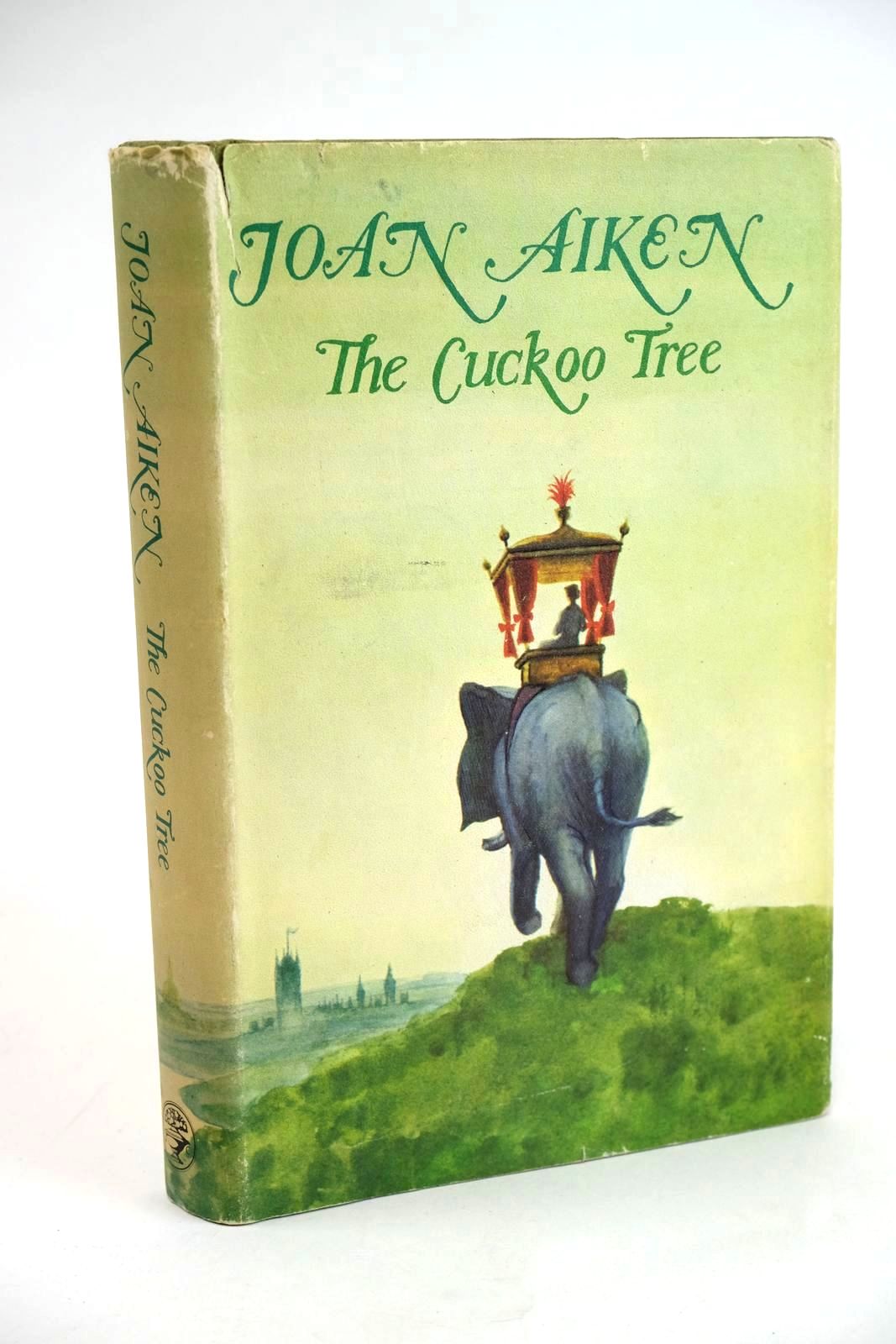
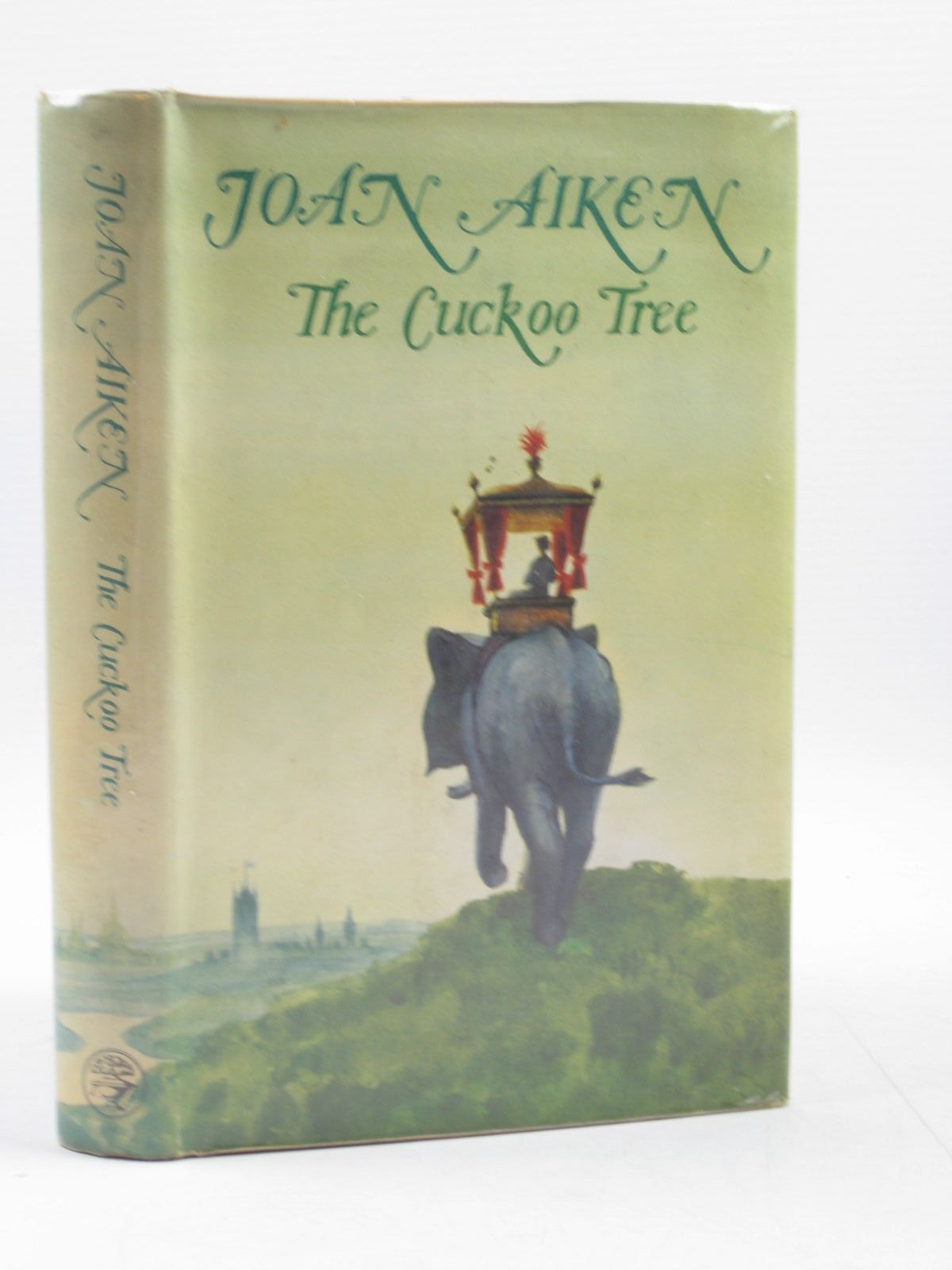
- The Cuckoo Tree 1971
- The Stolen Larks 1981
- Limbo Lodge (or Dangerous Games) 1998
- Dido & Pa 1986
- Is (US tittle is Is Underground) 1992
- Cold Shoulder Road 1996
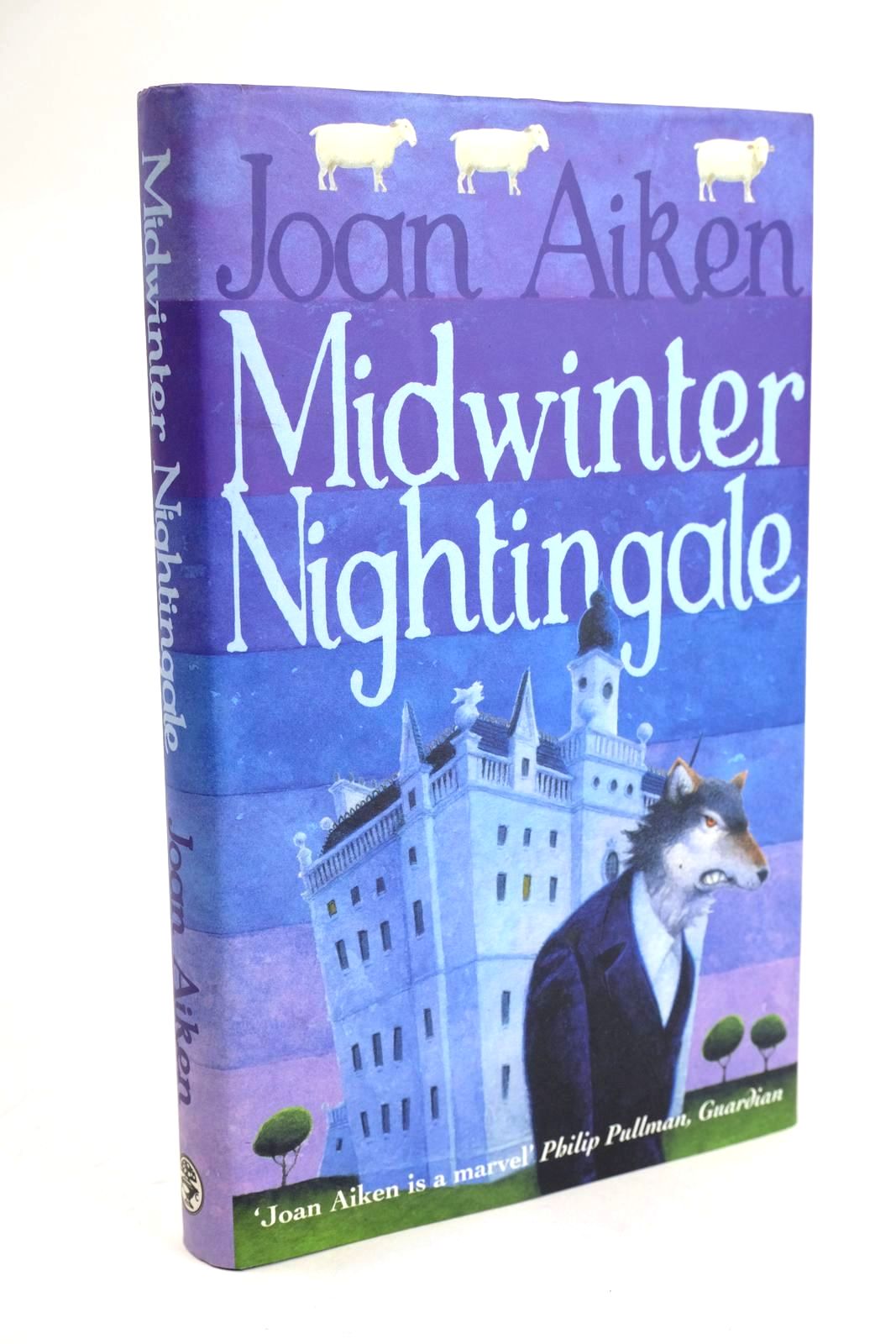
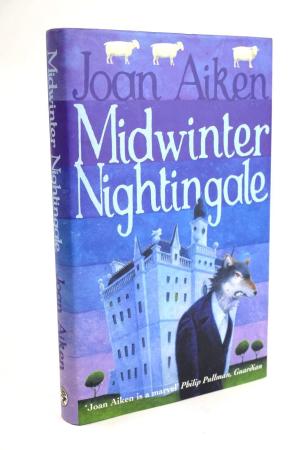
- Midnight Nightingale 2004
- The Witch of Clatteringshaws 2005
- The Whispering Mountain (prequel 1968)
By now, she was able to write full-time from home, producing two or three books a year for the rest of her life, mainly children's books and thrillers, as well as many articles, introductions and talks on children's literature and on the work of Jane Austen. In 1976 she married for the second time to landscape painter and teacher, Julius Goldstein. They divided their time between their homes in Petworth, Sussex and New York, USA.
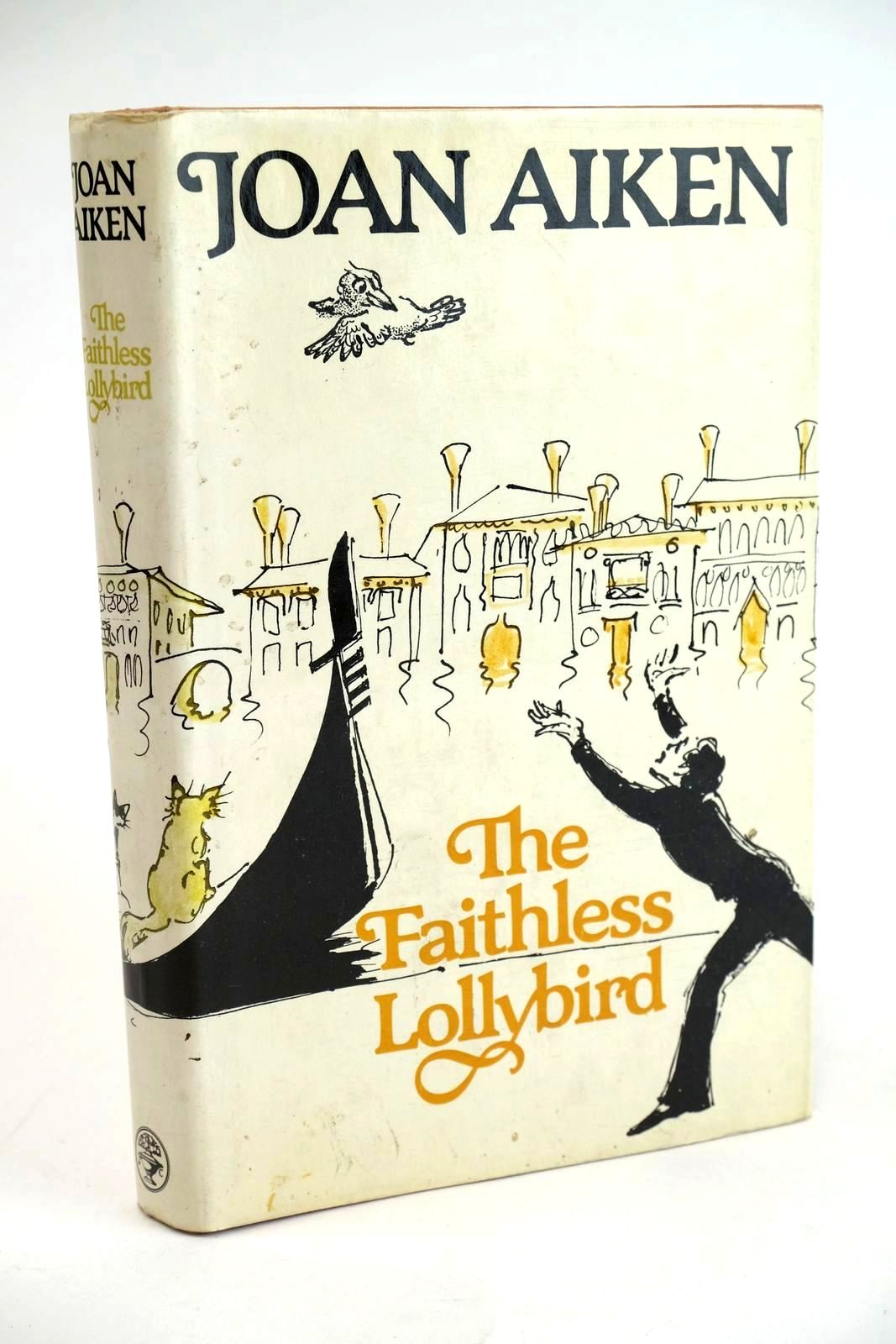
During her lifetime she wrote over a hundred books including more than a dozen collections of fantasy stories, plays and poems and modern historical novels for adults and children alike. She particularly loved ghost stories and some of her books focus on supernatural events including The Windscreen Weepers (stories, 1969), The Shadow Guests (novel, 1980), A Whisper in the Night (stories, 1982), and A Creepy Company (stories, 1993). She also set her adult supernatural novel The Haunting of Lamb House at Lamb House in Rye which is now a National Trust property.

As well as all the above, Aiken produced a series of children’s books about Arabel and Mortimer. The stories are about a four-year-old girl named Arabel Jones who adopts a raven that her dad, a cab driver named Ebenezer Jones, brings home after finding him injured in the road. Arabel christens the raven, "Mortimer".
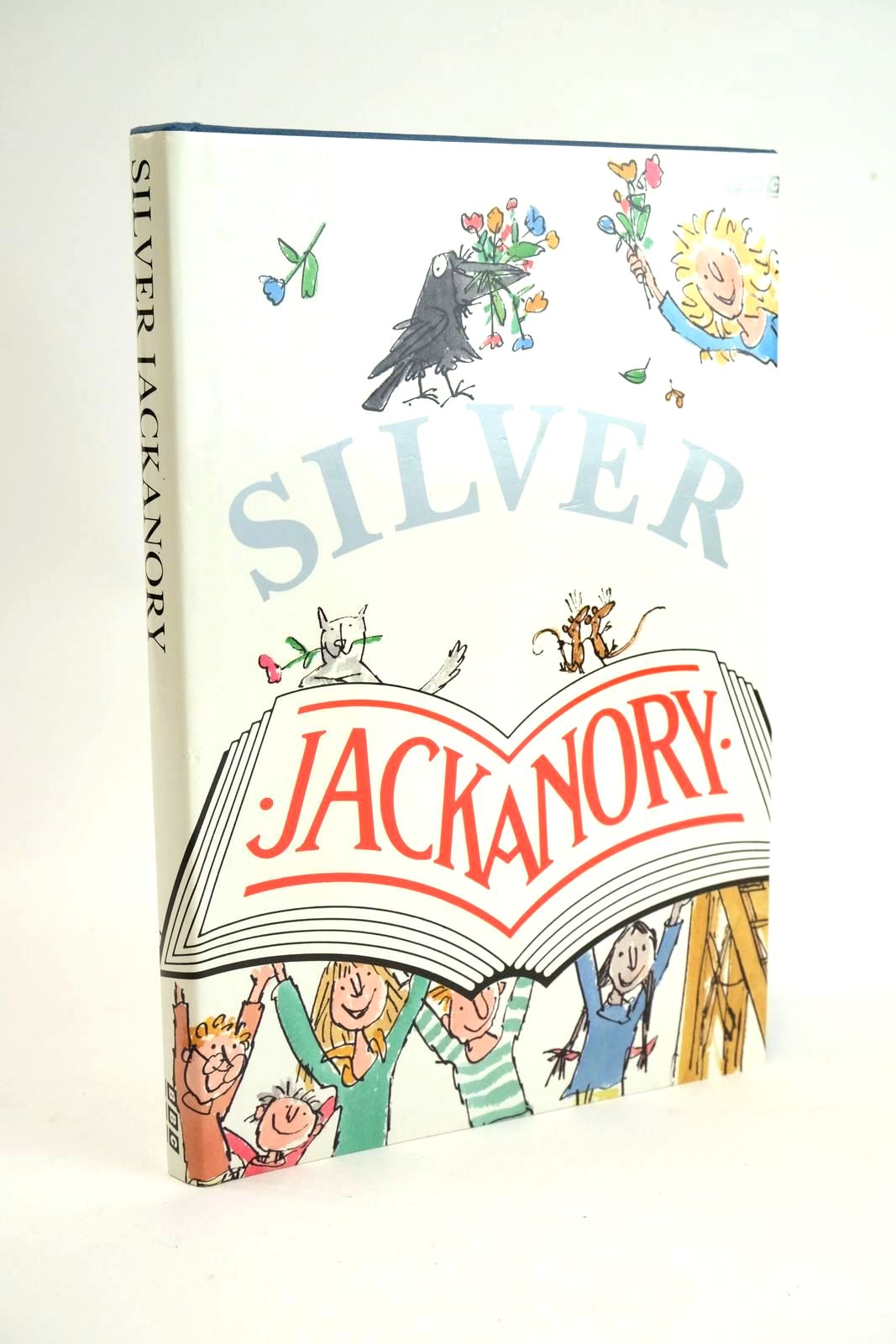
She also included Arabel and Mortimer in a publication called Silver Jackanory. This book marked the 25th anniversary of BBC TV’s Jackanory series and was a collaboration between various authors and performers to write on a theme of Silver. She called her story Arabel’s Tree House.
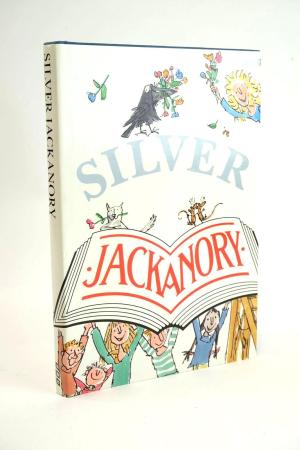
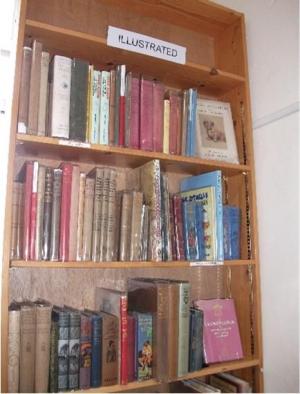
The Arabel and Mortimer books were illustrated by Quentin Blake and others were illustrated by Jan Pienkowski and Pat Marriott. We now have a dedicated section of Illustrated books in our bookshop which are well worth a look at if you’re passing or just log onto our website and type the word Illustrated in the Search Bar.
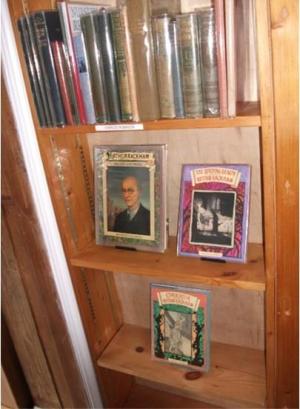
Here are a few other famous authors who have lived or have connections to Rye (there are more!).
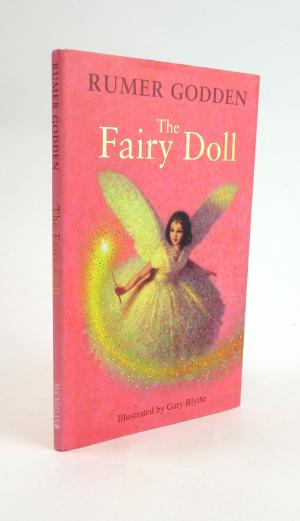
Margaret Rumer Godden OBE 1907-1998 was a British author of more than 60 fiction and non-fiction books. In 1968 she took the tenancy of Lamb House in Rye, where she lived until the death of her husband in 1973.
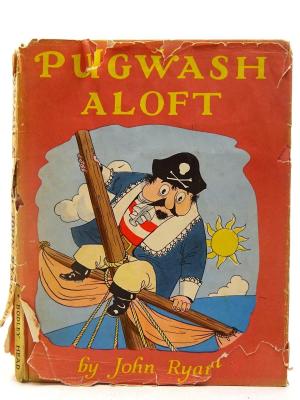
John Ryan 1922 – 2009 who wrote Captain Pugwash. Ryan lived and worked in Rye for many years, and the town had a significant influence on his work. He was particularly inspired by the local landscape and architecture, and many of his illustrations and paintings feature the cobbled streets, historic buildings, and stunning coastline close to Rye.
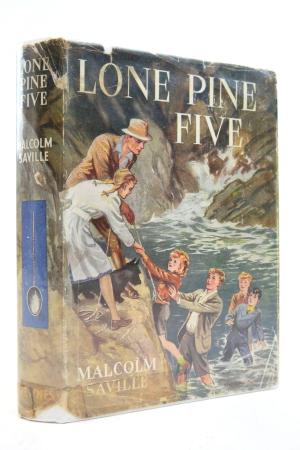
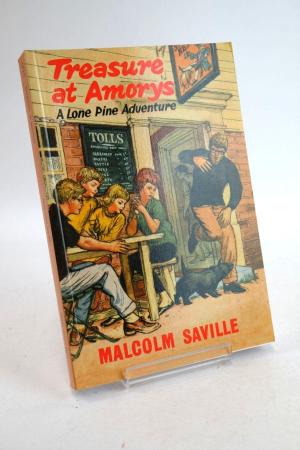
Malcolm Saville 1901 – 1982 was a British author of children’s books, best known for his “Lone Pine” series of adventure novels set in the countryside. Saville didn’t actually live in Rye but did base many of his books on the area, especially The Gay Dolphin Adventure, The Elusive Grasshopper, Treasure at Amory’s and Rye Royal.
There is a plaque dedicated to him on The Hope Anchor Hotel in Rye: "The location of the Gay Dolphin Hotel, made famous by Malcolm Saville in his Lone Pine series of children's adventure books, written between 1943 and 1978"
As another year passes, I wonder what I will learn this year when I next go to Rye, maybe a famous author is yet to be born there!
References:
Wikipedia
Welcome to the wonderful world of Joan Aiken (www.joanaiken.com)
Contributed by Lisa
(Published on 5th May 2026)