Brockweir – Tides, Steam & Authors
In the last couple of years a new steamboat has been regularly moored in Tintern, in the Wye Valley. The boat is named Bella Marie and is a 27-foot former whaler. Although originally equipped with a diesel engine, the owner Jim Simpson decided it would be much more civilised if steam powered!
So, what’s the connection to Brockweir? Brockweir is a small hamlet on the eastern bank of the River Wye just a couple of miles up-river from Tintern. It has the interesting distinction of having the last tidal quay for boats travelling up the Wye. Jim named his boat after the last packet boat believed to have travelled up the river: La Belle Marie - a wood twin-screw steam boat of 31 tons. Sadly, she ceased to operate with the outbreak of WWI and was laid up in Brockweir before being dismantled.
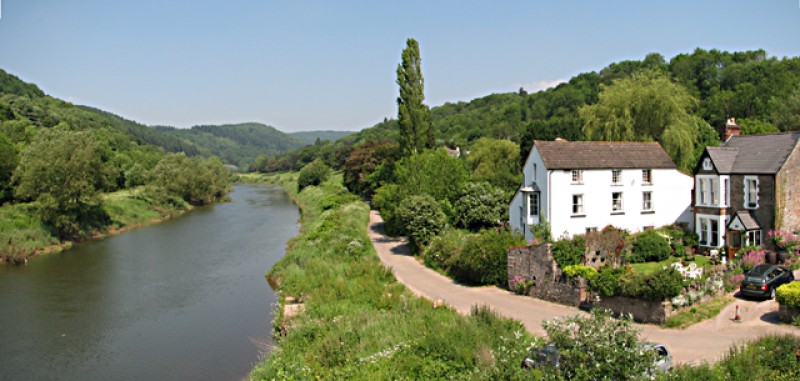
Although quiet today, Brockweir once played an important role in the trade and transport network of the Wye Valley. Its history is understandably closely tied to the river that runs through it.
The origins of Brockweir may go back more than a thousand years. A place believed to refer to the area appears in the Book of Llandaff, a medieval collection of church records, where a site called “Pwll Brochuail” is mentioned in a charter dating from around the seventh century. The name may refer to a pool associated with Brochfael, a prince of the Welsh kingdom of Gwent.
The modern name “Brockweir” probably comes from Old English words meaning “brook” and “weir”. A weir is a type of barrier used for a variety of reasons such as to trap fish, to artificially raise the water in a river to allow boats to transit, or to allow water to be redirected to mill wheels. Records show that a fish weir existed here by about 1120, when it was given to Monmouth Priory by the Lord of Tintern. Later it came under the ownership of Tintern Abbey. The remains of this medieval structure can still be seen beneath the present-day bridge across the river.
During the Middle Ages Brockweir developed as a small hamlet within the parish of Hewelsfield. Monastic estates played an important role in shaping the area. One of the oldest buildings in the village, the Malthouse, dates partly from the fifteenth century and may once have been part of a farm belonging to Tintern Abbey.
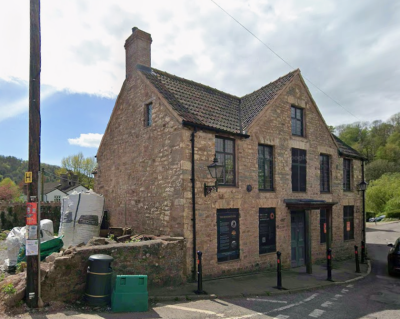
Other historic buildings also survive. The Manor House dates from around 1600, while many cottages in the village were built in the eighteenth century. These traditional stone buildings and narrow lanes give Brockweir much of its historic character today.
For centuries the River Wye was an important transport route linking inland towns with the port of Bristol. Brockweir became a key point along this route because it marked the highest place that ordinary sea-going vessels could reach on the tide.
Ships – such as La Belle Marie – travelling upriver had to stop here, where their goods were transferred to smaller boats that could continue further inland. As a result, the village became a busy trading point. Timber, iron, and agricultural products passed through Brockweir on their way to markets downriver.
Shipbuilding and boat repair were also important local activities. Many villagers worked as watermen or traders connected to the river trade.
During its busiest period Brockweir had a reputation as a lively and sometimes rough place. Its riverside location and limited road access meant that most people arrived by boat, and the village had a number of pubs and cider houses serving sailors and traders.
By the nineteenth century Brockweir was sometimes described as a place where people tried to avoid the law. As a result, religious groups such as the Moravians and Quakers established places of worship in the area. Whether these churches bought some godliness to the village remains unclear!
The importance of Brockweir began to decline in the nineteenth century as railways and improved roads reduced the need for river transport. In 1929, Brockweir Halt was opened on the Wye Valley Railway on the Monmouthshire side of the bridge. In 1906 a metal road bridge was built across the River Wye, linking Brockweir more directly with nearby communities and replacing the earlier ferry crossing. As a result, the busy port gradually faded, and the village became what it is today – a small and peaceful riverside village.
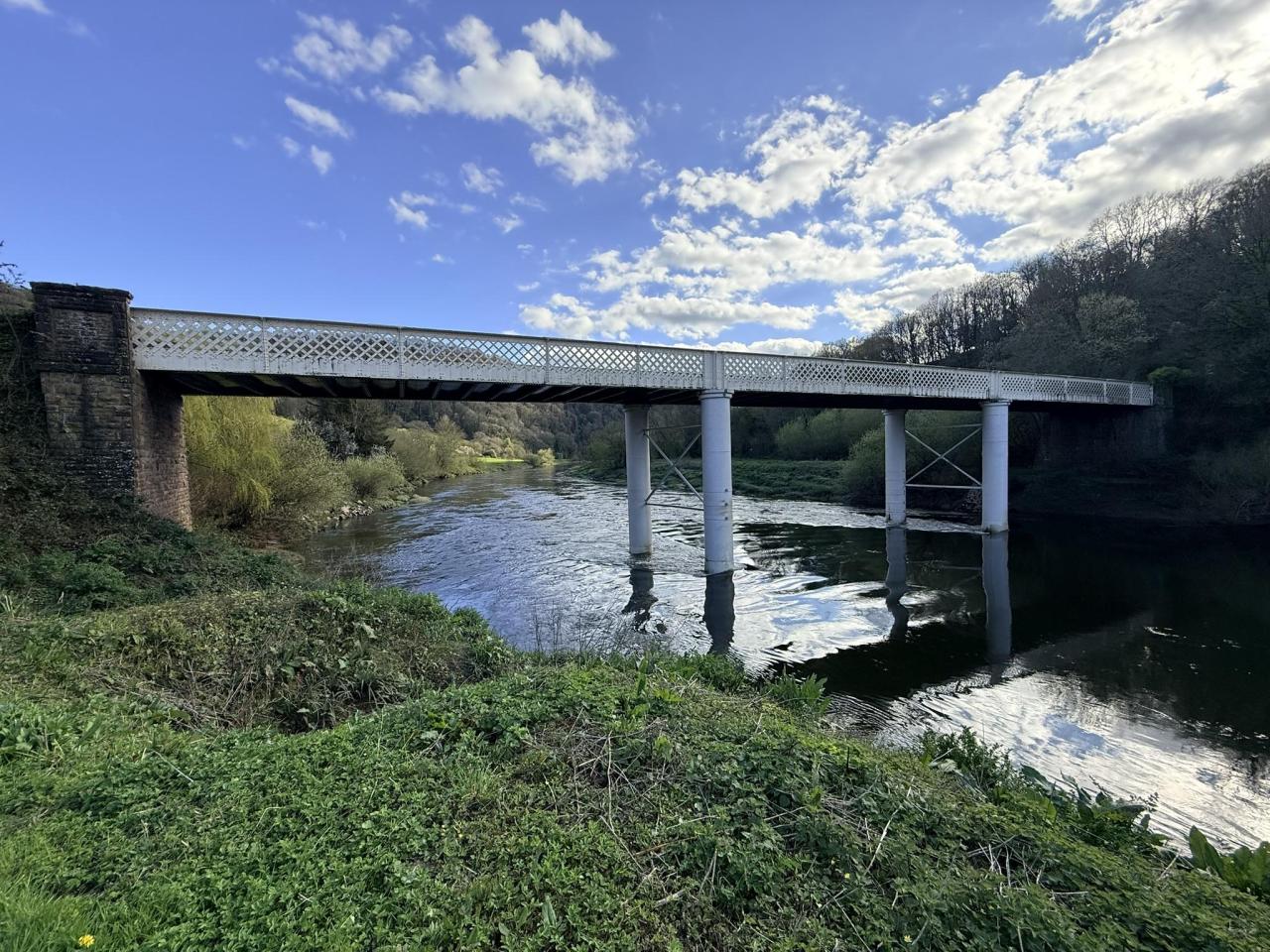
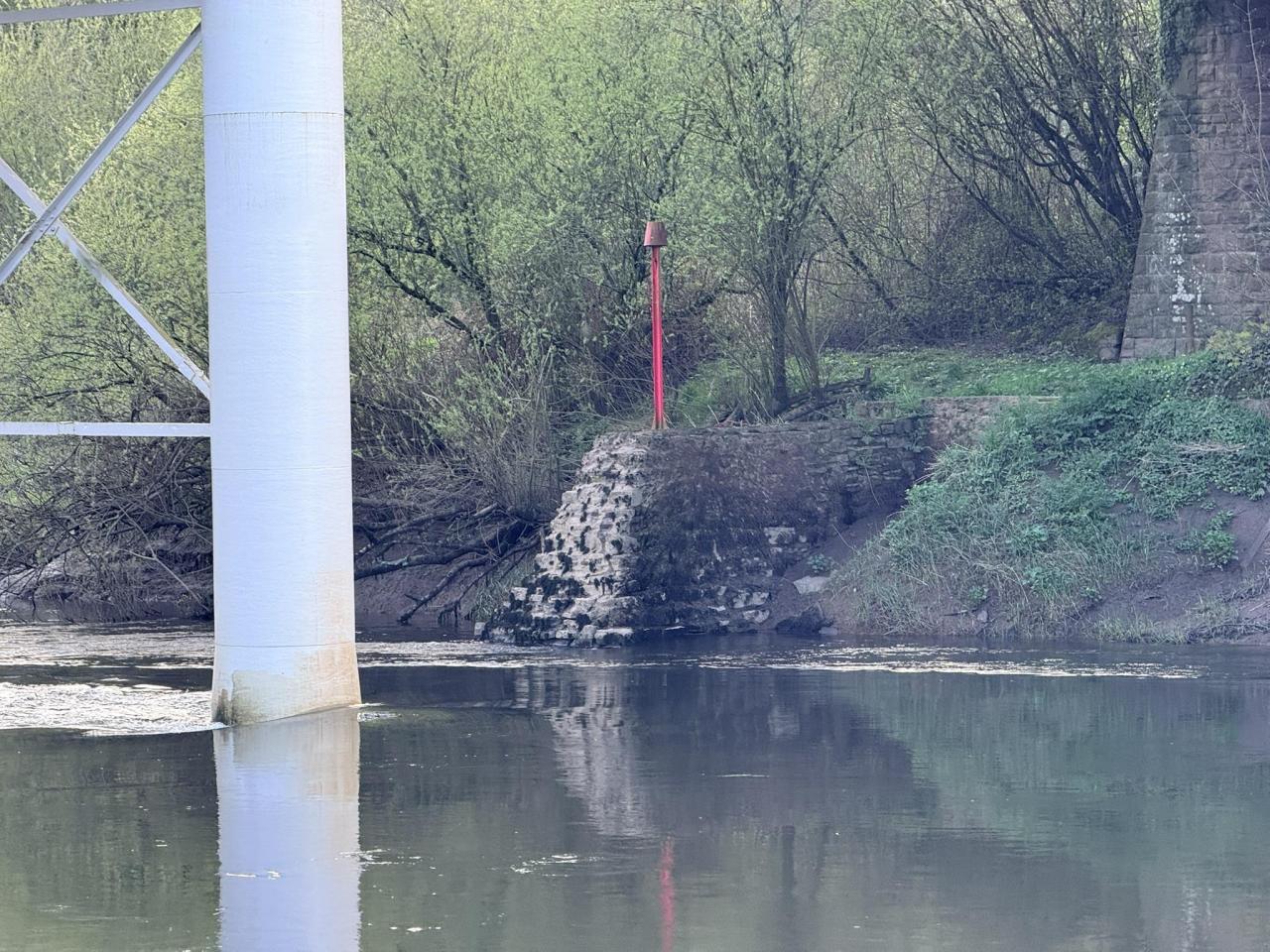
Although its trading days are long gone, the buildings, bridge, and river landscape still reflect Bockweir’s long history as an important stopping point on the River Wye. So why not add the pretty village of Brockweir to your itinerary if visiting the Wye Valley – but don’t forget to look out for the Belle Marie!
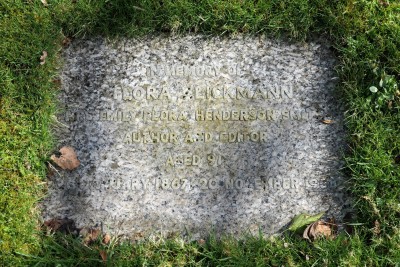
Oh… and I almost forgot – an important literary connection! Flora Klickmann (1867-1958) is buried in Brockweir. Best known for her Flower-Patch Series, written sketches of life in her country cottage and garden at Brockweir, she also wrote a large number of children’s books and edited girls’ annuals for many years.
References
- Wikipedia – Brockweir: https://en.wikipedia.org/wiki/Brockweir
- The Book of Llandaff
- Wikishire – Brockweir: https://wikishire.co.uk/wiki/Brockweir
- Visit Monmouthshire historical notes on the Moravian church and local history: https://www.visitmonmouthshire.com/
- The Brockweir Inn - https://thebrockweirinn.com/
Contributed by Steve
(Published on 1st Apr 2026)