

THE WORLD AT THE CROSSROADS: TOWARDS A SUSTAINABLE, EQUITABLE AND LIVEABLE WORLD
Written by Philip B. Smith, et al
Published by Earthscan
in 1994
ISBN: 1853832014
- Categorised in:
- SCIENCE AND TECHNOLOGY
- ECOLOGY
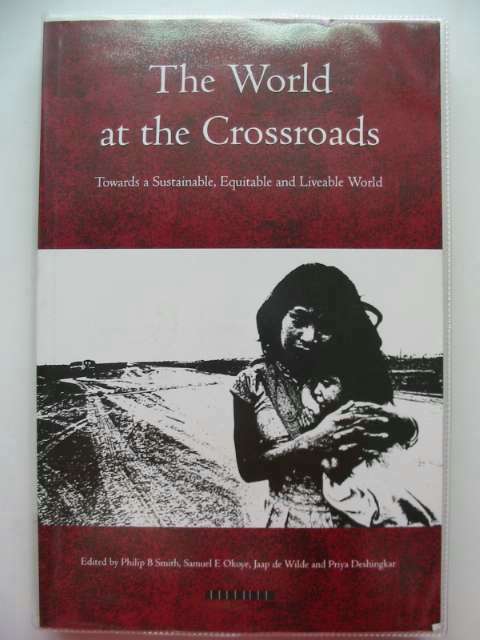
THE WORLD AT THE CROSSROADS: TOWARDS A SUSTAINABLE, EQUITABLE AND LIVEABLE WORLD
Written by Philip B. Smith, et al.
Stock no. 558270
1st.
1994.
Softcover.
Slightly better than very good condition.
A Report to the Pugwash Council. Presenting the choice that confronts humanity: will humankind take the fork leading to disaster or the fork leading to survival? The contributors to this volume are convinced that if a sustainable world is to be achieved it must be equitable and a liveable one. Edited by Philip B. Smith etc. Pictorial cardwraps. x and 211 pages including index. ISBN: 1853832014. Spine very slightly faded. Light diagonal crease to lower corner of prelims. Text block slightly grubby. Contents clean.
Front cover
Contents
- Introduction
- I. FOOD AND ENERGY
- 1. Building a Sustainable Food System
- 2. Sustainable, Equitable Economics The Personal Energy Budget
- 3. Energy Constraints on Sustainable Development Paths
- 4. Understanding Biofuel Dynamics in Developing Countries The Need for the Local Context
- 5. The Value of Indigenous Knowledge The Case of Water and Soil Conservation Ecosystems in Sri Lanka
- II. POLITICS AND SOCIETY
- 6. The Roots of Unsustainability Conlonization in Space and Time
- 7. People's Empowerment: A Condition for a Sustainable, Equitable and Liveable World?
- 8. Improving Health: A Key Factor in Sustainable Development
- 9. The Relevance of Military Expenditures to Sustainable and Equitable Development
- 10. The Power Politics of Sustainability, Equity and Liveability
- 11. Can Societies by Changed Quickly Enough?
- 12. Summary and Recommendations