Stella and Rose's Books Logo

Stella & Rose's Books

Specialists in Rare & Collectable Books

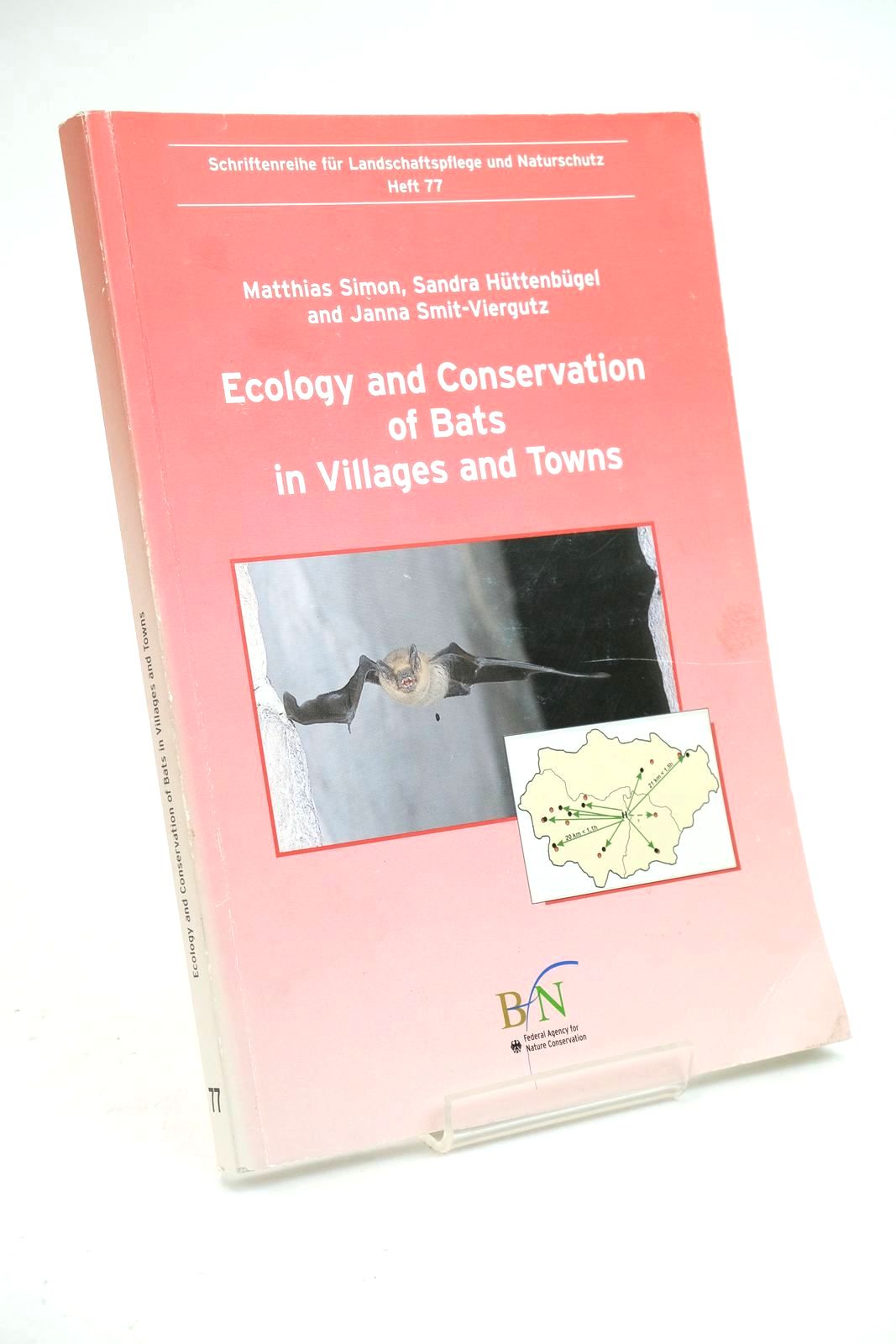
ECOLOGY AND CONSERVATION OF BATS IN VILLAGES AND TOWNS

by Matthias Simon; Sandra Huttenbugel; Janna Smit-Viergutz; Peter Boye

Published by Bundesamt Fur Naturschutz. 1st. 2004

Very good condition. A report of the results of research around the town of Marburg. Pink cardwraps. 263 pages plus xvi. Charts, diagrams, tables and some colour photographs throughout.

Covers are slightly edge rubbed and grubby with some fading. Some page corner tips creased. Contents otherwise fine.

ISBN: 3784336191
Stock no. 1323002

Buy now for £120.00 Enquire about this book Add to Wish List

Contents

  • 1 Introduction
  • 2 Area of Investigation
  • 2.1 Landform of the Marburg-Biedenkopf district
  • 2.2 Climate
  • 2.3 Landuse
  • 3 Methods - aims, description and evaluation
  • 3.1 Introduction
  • 3.2 Balancing of expense of the recording methods
  • 4 State of the registration of bat population numbers before and after the project
  • 4.1 Common pipistrelle
  • 4.2 Serotine bat
  • 4.3 The greater mouse eared bat
  • 4.4 Natterer's bat
  • 4.5 Whiskered bat
  • 4.6 Common long-eared bat
  • 4.7 Grey long -eared bat
  • 4.8 Barbastelle bat
  • 4.9 Conservation status of investigated bat species according to Red Lists
  • 4.10 Summary
  • 5 Requirements of summer roosts for bats
  • 5.1 Introduction
  • 5.2 Roost types and categories
  • 5.3 Exposition
  • 5.4 Roost openings
  • 5.5 Location of roosts in town
  • 5.6 Age of buildings
  • 5.7 Upkeep condition of buildings
  • 5.8 Height of buildings
  • 5.9 Material of landing area
  • 5.10 Roost temperatures
  • 5.11 What are the features of a potential roost?
  • 5.12 Summary
  • 6 How do bats explore their roosts
  • 6.1 Introduction
  • 6.2 Swarming of the common pipistrelle at the hibernaculum
  • 6.3 Spatiofunctional correlation between hibernaculum and summer roost (radio tracking)
  • 6.4 Experiments in and at the hibernaculum concerning the roost locating ability of the common pipistrelle
  • 6.5 Invasions
  • 6.6 Swarming at the summer roost
  • 6.7 Summary
  • 7 Spatiofunctional relationships
  • 7.1 Introduction
  • 7.2 Summer roost assemblage (level 1)
  • 7.3 Utilisation of foraging sites (level 2)
  • 7.4 The summer move to another roost (level 3)
  • 7.5 Spatial relationship between summer roost and hibernaculum (level 4)
  • 7.6 Consequences for conservation
  • 7.7 Summary
  • 8 Population Genetics
  • 8.1 Introduction
  • 8.2 Basics of population genetics
  • 8.3 Materials and methods
  • 8.4 Results
  • 8.5 Discussion
  • 8.6 Summary
  • 9 Roost destruction
  • 9.1 Introduction
  • 9.2 Roost destruction in the project area
  • 9.3 Summary
  • 10 How successful is the creation of new roosting opportunities?
  • 10.1 Introduction
  • 10.2 Description of roost offer
  • 10.3 Control to determine success of newly created potential roosts
  • 10.4 Final evaluation of newly created and optimised potential roosts
  • 10.5 Summary
  • 11 Landscape features and distributions
  • 11.1 Introduction
  • 11.2 Correlation between occurrence of particular bat species and specific landscape features
  • 11,3 Flight routes of different bat species
  • 11.4 Summary
  • 12 Synopsis
  • 12.1 Project goals and hypotheses
  • 12.2 Evaluation of danger to bats
  • 12.3 Conservation of bats in areas where they have settled
  • 12.4 Improvement of database for bat conservation
  • 12.5 Demands on federal, state and local government
  • 13 Acknowledgements
  • 14 References

Similar Stock